Global growth is losing momentum, not stability
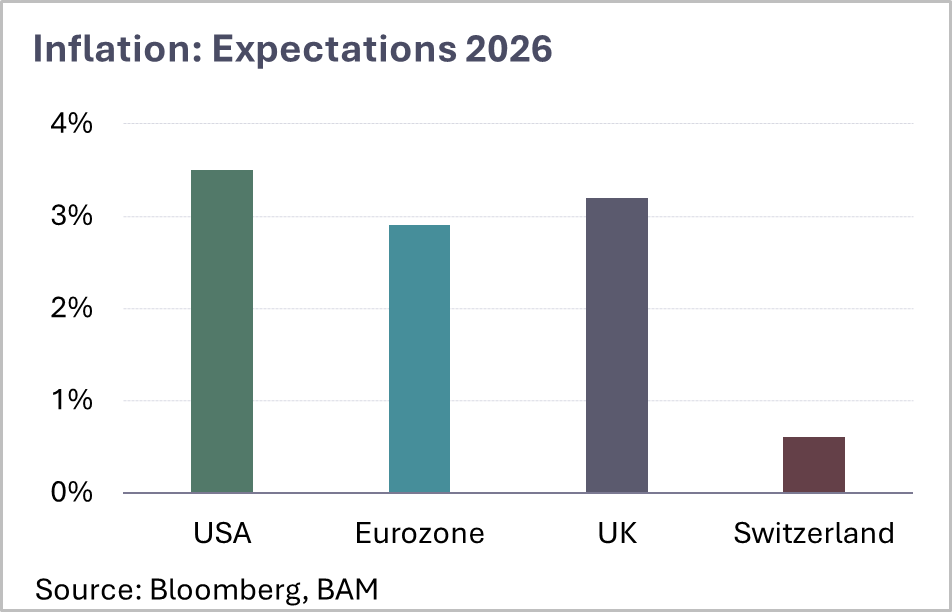
The global economy has remained remarkably resilient in the second quarter of 2026. Although the conflict in the Middle East and the temporary disruption of shipping through the Strait of Hormuz have driven energy prices higher and renewed inflationary pressures, the widely feared global recession has so far been avoided.
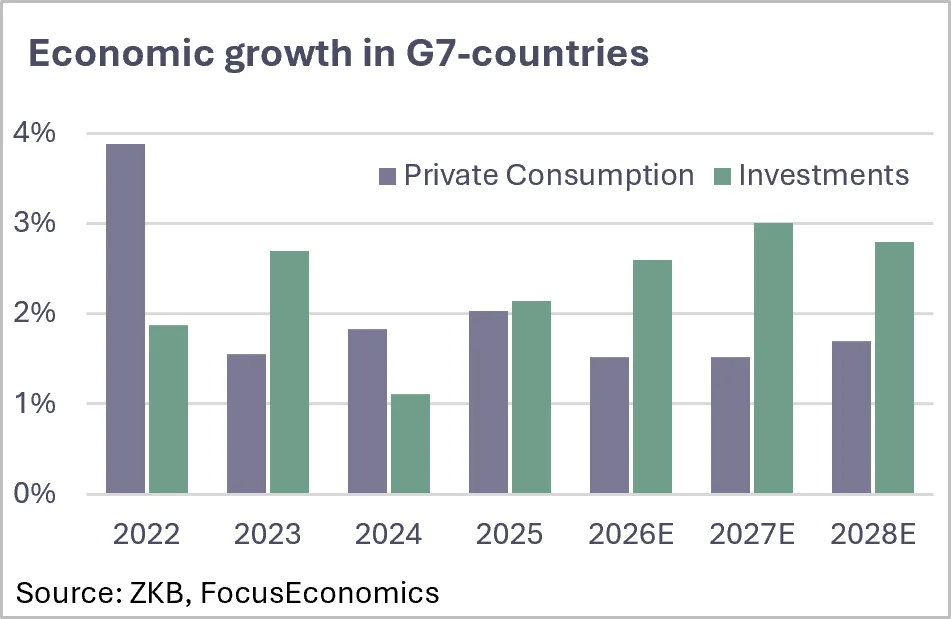
Regional differences remain evident. The United States continues to benefit from its relatively low energy dependence, alongside strong investment in technology and artificial intelligence. Europe, by contrast, is more exposed to higher energy costs and softer demand.
Switzerland continues to perform favourably in international comparison. The economy’s low energy intensity, high share of renewable energy and resilient domestic demand provide an effective buffer against global headwinds.
Resilience should therefore not be confused with acceleration: the global economy is still expanding, but the margin for external shocks has become narrower.
Economic conditions have become more challenging since the beginning of the year, but this has not resulted in a pronounced period of weakness. The key questions for the second half of the year are how quickly energy markets normalise and whether the current momentum in artificial intelligence investment can be sustained. We are optimistic on both fronts.