>> April 2026: The latest edition of our Market Insights
Geopolitical tensions rarely arise at random; they reflect clear strategic interests: control of trade routes, access to resources, and the pursuit of economic and political dominance. In this context, current tensions are not an exception but part of a world undergoing structural change.
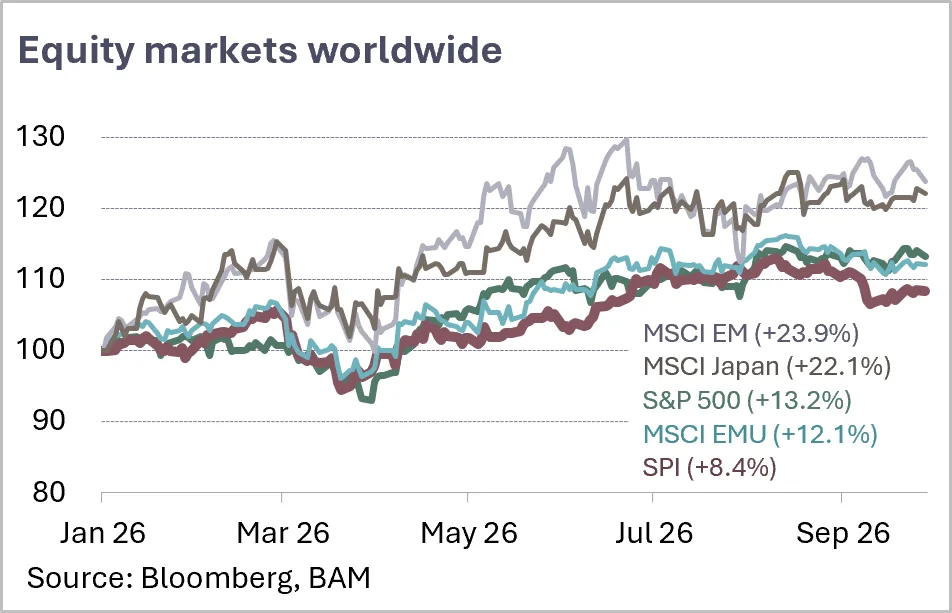
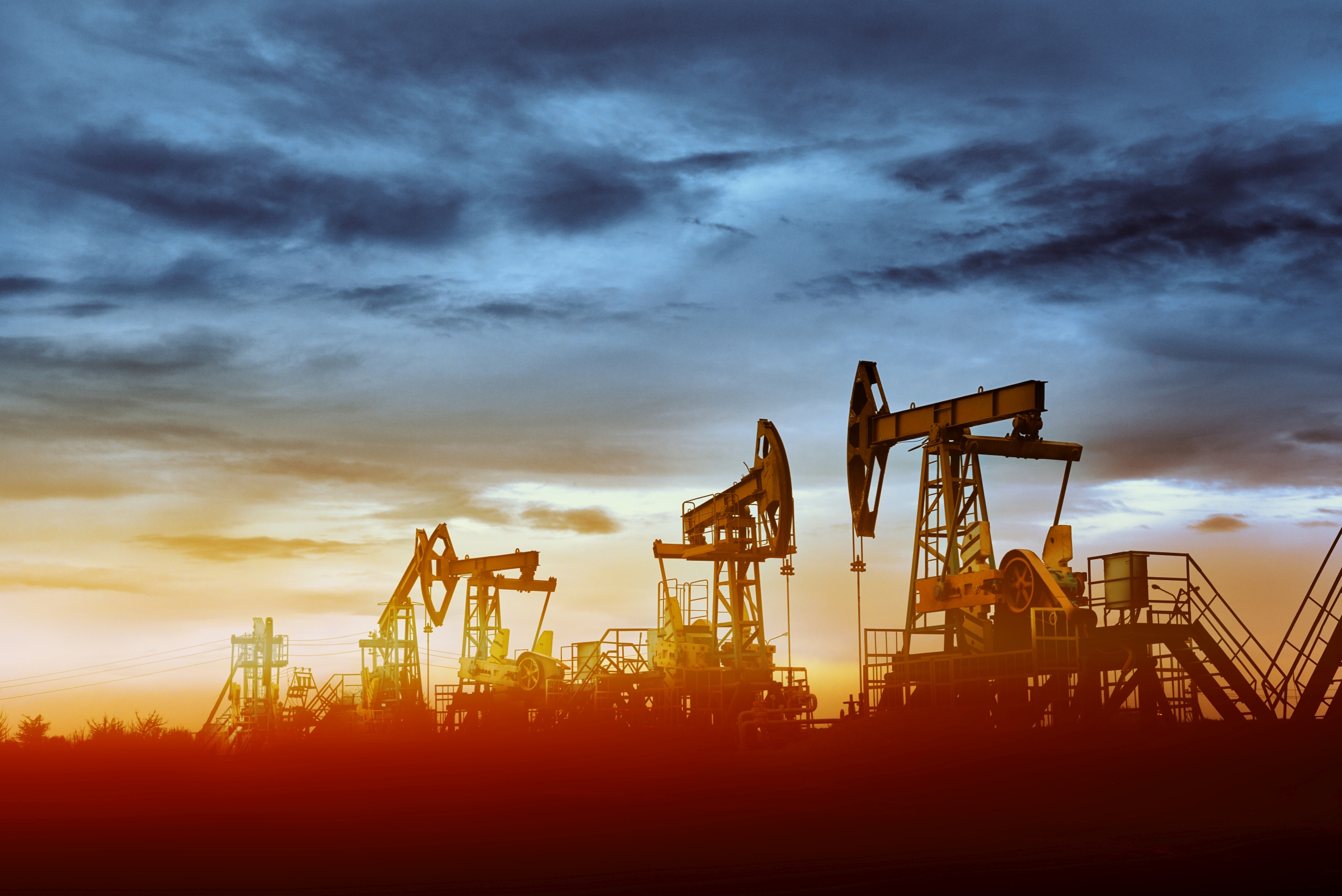
This pattern is familiar to financial markets. The escalation in the Middle East once again follows the typical sequence: rising energy prices, short-term uncertainty, and increased volatility. At the same time, the second phase remains equally consistent: the rapid adjustment of markets. Historically, even pronounced oil price shocks have typically proved temporary and have rarely left lasting marks on the global economy. What matters is not the event itself, but its duration.
Prolonged conflicts are economically costly for all parties involved; as such, there is an inherent interest in containment and stabilisation. This logic is also reflected in the markets.
In uncertain times, capital continues to find orientation in the US dollar. At the same time, this strength is usually temporary: structurally, the dollar tends to weaken, particularly against safe-haven currencies such as the Swiss franc. Traditional hedges such as gold have reacted less consistently than in previous episodes, as positioning and market mechanics increasingly play a greater role than pure risk perception.
Europe often remains in a secondary role – politically involved, economically relevant, but rarely setting the pace. Switzerland continues to preserve its neutrality but is increasingly operating under growing tension between geopolitical expectations and economic reality. In a globalised world, neutrality is no longer a static condition but an active balancing act.
Resilience as an underestimated constant
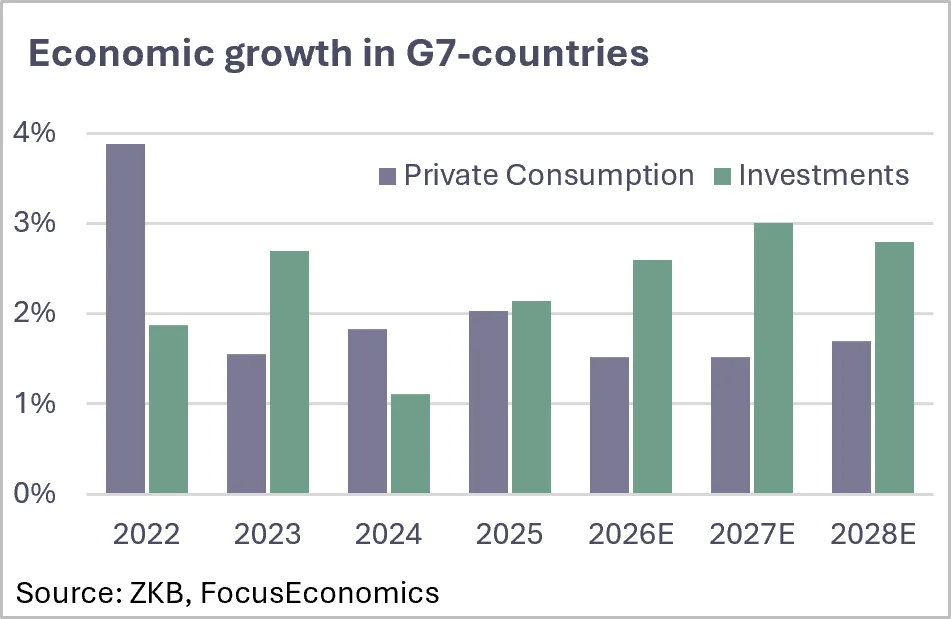
Despite all uncertainties, the global economy remains remarkably stable. Consumption, innovation and structural trends continue to support growth, while companies once again demonstrate their adaptability. This resilience is no coincidence, but the result of diversified value chains, technological progress and increasingly flexible capital allocation.
Even where short-term risks arise – for instance through energy prices or trade disruptions – buffer mechanisms are now in place that did not exist in previous decades. Strategic reserves, more efficient production and reduced dependence on individual resources all help to lower vulnerability to external shocks.
What does this mean for investors?
Geopolitical developments are visible catalysts, but rarely the true drivers of long-term market trends. These are shaped by positioning, capital flows and tactical adjustments – not by reactions to short-term spikes in volatility.
Investors who align their decisions too closely with political events risk overlooking structural trends. The real challenge therefore lies not in the event itself, but in one’s reaction to it. Maintaining composure during periods of heightened uncertainty creates the foundation to benefit from the often equally rapid normalisation of markets.
Or put differently: markets may react to conflicts – but they are not defined by them. And that is precisely where the opportunity lies for long-term investors.
Giorgio Saraco,
Executive Partner, Head Asset Management